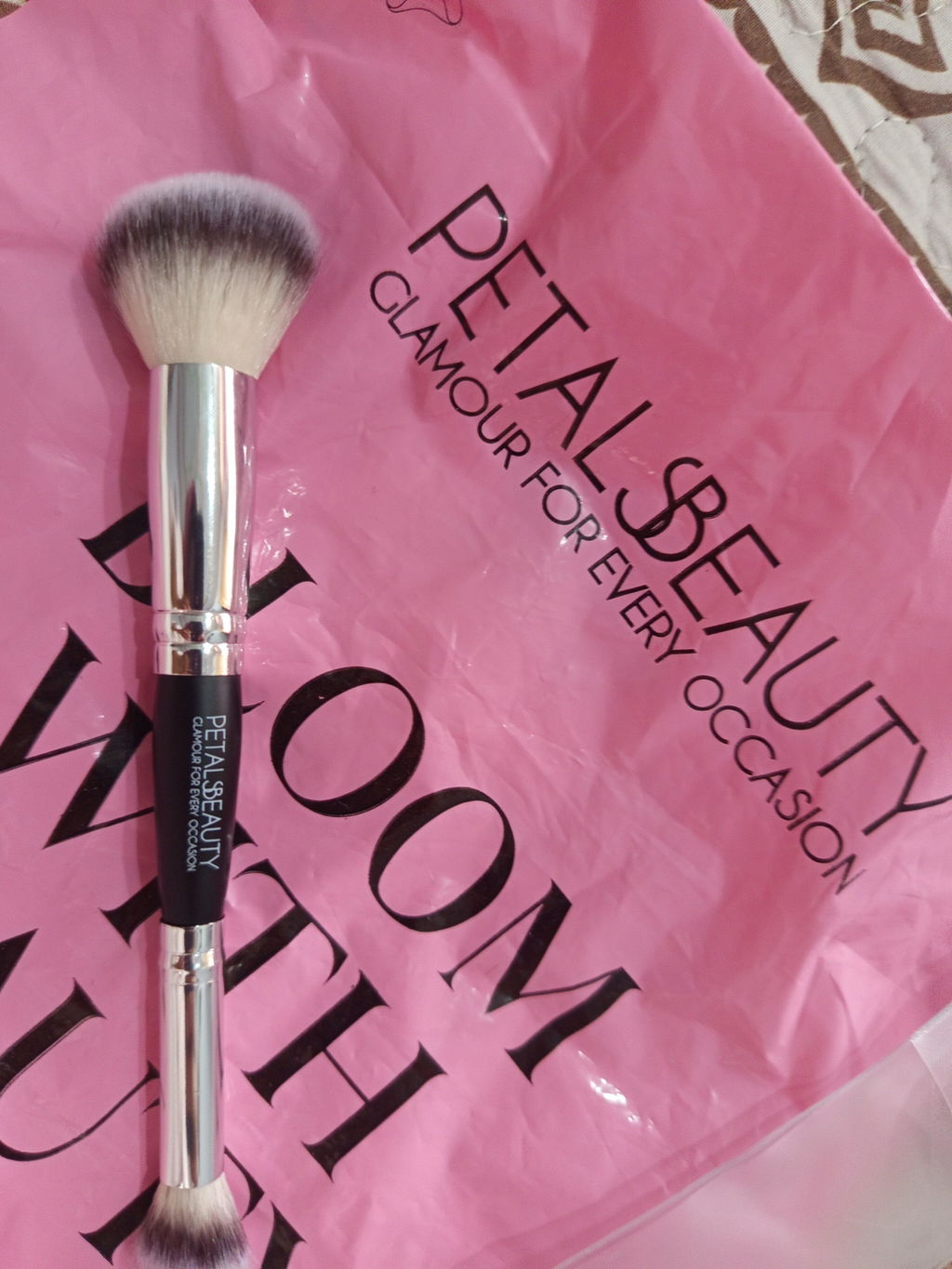
Parcel receive hogiya hy thanks,brush k bristle bhtt soft hy ,,I like it🥹
Love it
Excellent
Great
I recommend multipurpose make brush 10/10
Blisters are very soft!
Great
Love it
Bohat acha brush ha
V nice
Amazing stuff will shop again
Good quality
Superb brush
Good quality brush
Amazing
Amazing product.... recommend
It's great
Too good brush
This twin-side brush is a total game-changer. One side lays down the color perfectly, and the other blends it to a flawless, professional finish. It’s incredibly soft, gentle on the skin, and gives a uniform glow every time!
Kb restock hga ye pls jldi krde restock
Please restock asap
Kb restock hoga rply plz
Restock please,,,,,kab restock hoga ??? Please inform
Please pleaseplease restock it please
Please Please restock this multi purpose brush
Mera ye brush all time favrt hai ....or ma esy daily use krti hun itna soft hai ke...es brush ki jitni tareef kru kam hai ...meri sis ne use kea or es na b Pakistan sy order kea hai...petals beauty ka har product bahot zabardast hai or miracle c cream to uffff ❤️❤️
Smart product
All in one brush recommended!
Best every and every
Good quality
Nice
Very useful
Best...
Best best products
Good
Both ends have a job. The fluffy side blends foundation, applies blush across the cheekbones, and sets powder. The precision side handles highlighter on the high points, contour along the jawline and nose, and eyeshadow. That's five or six brushes replaced by one.
Both. The fluffy side blends liquid and cream foundation — apply small dots across your face first, then blend in circular motions so the base presses into the skin rather than sitting on top. The same side works for pressed powder. On the precision side, both powder and cream contour blend cleanly.
Yes, and that's largely who it's designed for. The fluffy side is forgiving because circular blending is hard to get wrong, and soft bristles don't leave the harsh streaks a stiff flat brush can. You also skip the hardest part of learning makeup tools, which is working out which brush does what.
Yes, on the precision side. It's small enough to pack colour onto the lid and blend through the crease, which makes this a practical option if you want a full face and a simple eye look without carrying a separate eye brush.
Hold the brush with the bristles pointing downward and rinse under lukewarm water — keeping it angled down stops water from seeping into the metal ferrule and loosening the glue over time. Work in a drop of gentle shampoo or brush cleanser, massage the bristles against your palm, then rinse until the water runs clear. Reshape the head with your fingers and lay it flat on a towel with the bristles hanging just over the edge. Never stand it upright to dry.
Every one to two weeks with regular use. Wash it more often if you're using it with liquid or cream products, since those build up faster than powder. Clean bristles blend better and are gentler on skin, especially if you're prone to breakouts.
Give it several hours, ideally overnight. Always let it dry completely before the next use — damp bristles pick up bacteria and won't blend product smoothly.
You may find a few loose bristles during the first wash, which is normal for any new brush and settles quickly. To keep shedding to a minimum, avoid tugging at the bristles, don't soak the brush head in water, and always dry it flat rather than upright so water can't reach the glue in the ferrule.
A sponge soaks up part of your product and leaves a sheer, dewy finish. This brush deposits more product onto the skin, so you get fuller coverage, and it doesn't need to be dampened before use. A brush also lasts considerably longer — sponges need replacing every few months, while a well-cared-for brush stays usable far longer than that.
Better not to. Brushes hold oil, product and bacteria from your skin, so sharing is the fastest way to pass on breakouts or an eye infection. Keep it as your own and wash it on a regular schedule.
Somewhere dry and out of direct sunlight, ideally bristles-up in a holder or flat in a pouch so the head keeps its shape. Don't store it while it's still damp, and don't leave it pressed against the side of a bag where the bristles can splay.
This product restocks regularly. If it's showing as unavailable, add your email on this page and we'll notify you as soon as it returns.